Living in St Pete Beach Year-Round: What to Expect
March 5, 2026
March 5, 2026
Picture this: an early walk on powdery sand, a coffee on Corey Avenue, and a sunset that stops you in your tracks. If you are considering living in St. Pete Beach full-time, you likely want the real story behind the postcard views. In this guide, you will learn the seasonal rhythm, day-to-day conveniences, housing realities, and risk factors that matter year-round. Let’s dive in.
St. Pete Beach sits on Long Key, a barrier-island city with compact land and a lot of water around it. The walkable core centers on Corey Avenue, while the southern end includes Pass-a-Grille and the landmark Don CeSar. You get village-like streets, beach parks, and bayside canals within a few minutes of each other. For a quick overview of neighborhoods and history, see the city’s background on St. Pete Beach’s Wikipedia page.
Year-round, the city feels small but lively. The 2020 Census counted about 8,879 residents, and the city reports a high share of seasonal or second-home owners, so the crowd level shifts with the calendar. You will notice busier sidewalks and street parking in winter, then quieter weeks in summer.
Winters are mild and sunny. Summers are hot, humid, and bring frequent afternoon storms. Climate normals for nearby St. Petersburg show most rainfall arrives from June through September, with daily highs ranging from the 60s to the 90s through the year. You can review detailed temperature and rainfall patterns from the Florida Climate Center.
Visitor patterns shape the island’s pace. High season runs roughly November through April, with March and April often the busiest months due to spring breaks and snowbird travel. Shoulder months like October and May can feel pleasant with fewer crowds, while summer brings a slower pace and lower lodging rates. For a regional snapshot of timing and crowds, see the St. Pete–Clearwater guide.
Hurricane season runs June 1 through November 30. As a barrier island, St. Pete Beach has storm surge risk and may face mandatory evacuations during significant storms. Get familiar with Pinellas County’s zone lookup, evacuation routes, and planning tools on the county’s evacuation page. Long term, regional reports point to higher tides and more frequent nuisance flooding by mid-century. A recent summary explains projections of up to a foot of sea-level rise by 2050 in some U.S. regions; you can read more context in this sea-level outlook.
Corey Avenue functions as the island’s everyday heart. You will find cafés, boutiques, casual dining, and a weekly market. The Corey Ave Sunday Market and seasonal street festivals bring a community feel, especially in winter. Check current happenings on the Corey Avenue events calendar.
For groceries and basics, Dolphin Village on Gulf Boulevard is the main island shopping hub, with a Publix, pharmacy, and several eateries. It is convenient for quick trips and beach-day supplies. See an overview of the center on this Dolphin Village listing. For bigger-box stores or specialty medical appointments, most residents drive to St. Petersburg on the mainland.
Getting around is mostly by car. While you can walk or bike within pockets like Corey Avenue and Pass-a-Grille, many residents drive for errands or work. For travel days, St. Pete–Clearwater and Tampa International are the nearest airports. Typical drive times to Tampa International often range from about 30 to 40 minutes depending on traffic.
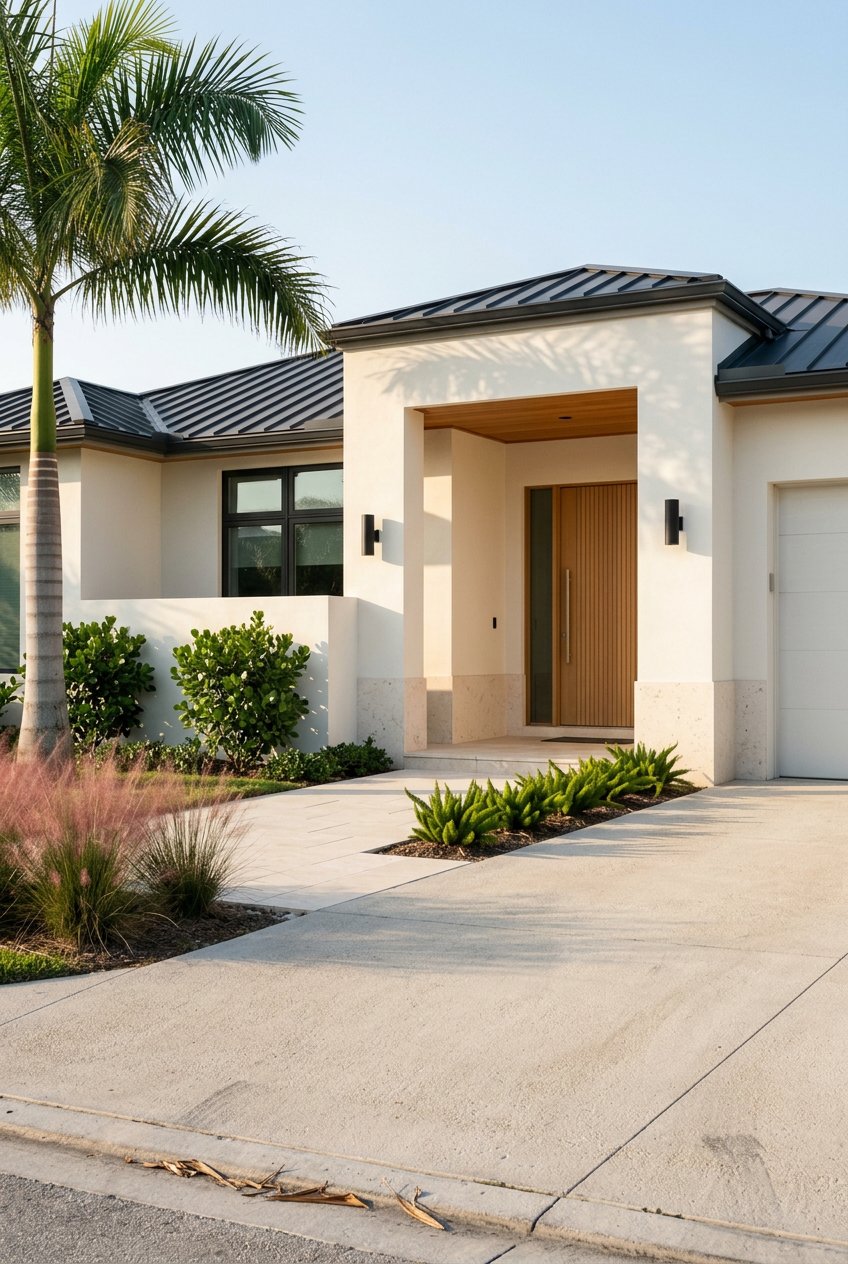
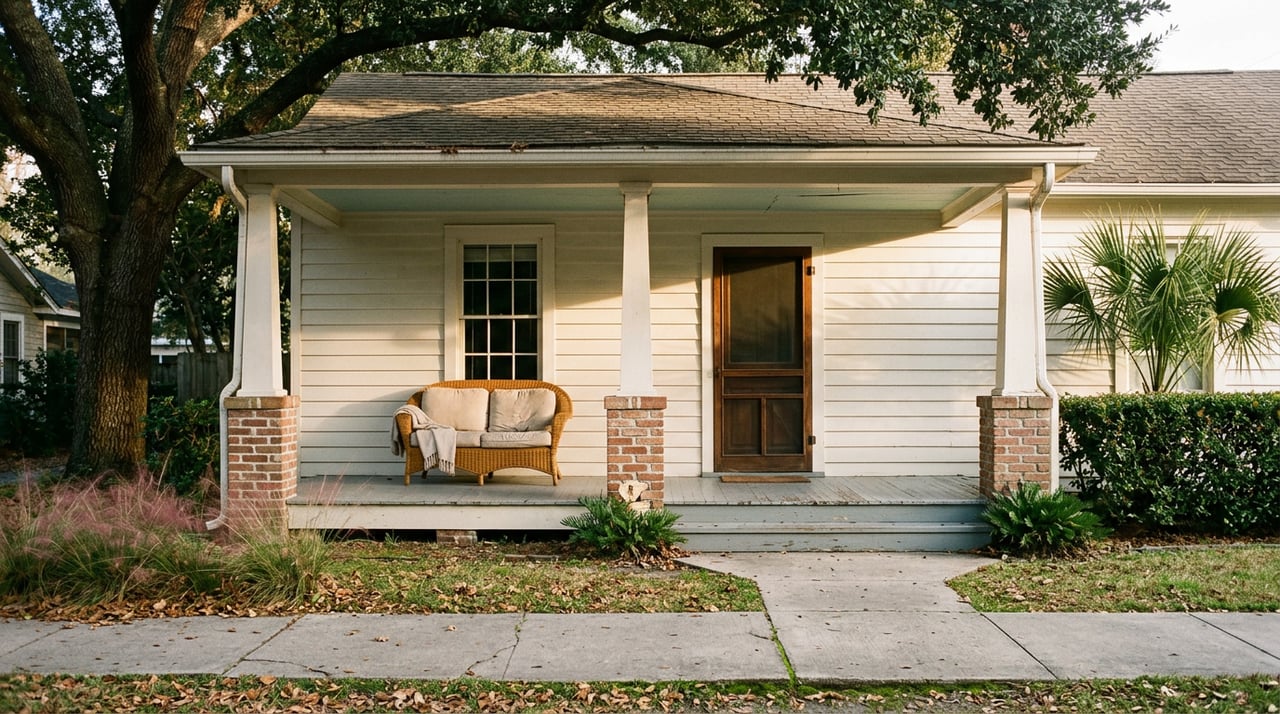
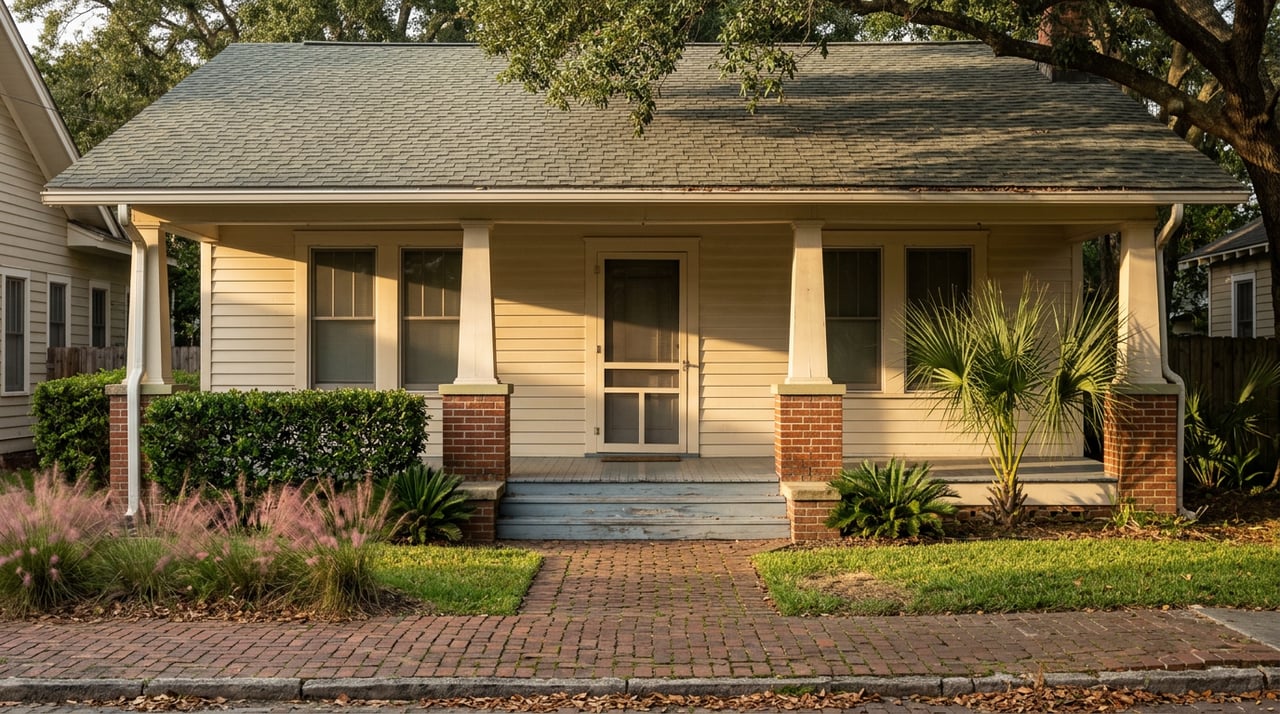
You will see a blend of waterfront condos, mid-century bungalows, and newer infill near the commercial corridors. Condominiums cluster along Gulf Boulevard, while quieter single-family streets sit inland or along the Intracoastal. For a broad neighborhood overview, the St. Pete Beach page outlines local areas like Corey Avenue and Pass-a-Grille.
Prices reflect the island setting and limited inventory. As of January 31, 2026, Zillow’s ZHVI placed the typical home value around $591,160, while Redfin reported a median sale price near $679,500 in January 2026. Treat these as dated snapshots, since each metric uses different methodology and the market moves with seasonality and rates.
The ownership mix includes many seasonal and second-home owners, which you will feel in winter when streets get busier and reservations book faster. If you are planning to rent your place part of the year, take time to understand local short-term rental rules.
St. Pete Beach regulates transient stays under 30 days in many residential zones. Sub-30-day rentals are allowed in specific districts and overlays, while other areas require a 30-day minimum or longer. Always verify zoning for a specific address and review any condo or HOA rules before you buy. Start with the city’s Short-Term Rental Rules & Regulations for details on permitted districts and required compliance.
If you plan to operate a rental, remember that state and county lodging tax rules apply. Registration, safety standards, and occupancy limits can be address- and platform-specific. Pinellas County has also adopted a county-level ordinance that addresses safety, occupancy, and registration for short-term rentals.
Flood risk is a core consideration on a barrier island. Before you go under contract, look up the FEMA flood zone, request the seller’s Elevation Certificate, and get quotes for both NFIP and private flood coverage. The city’s page on Flooding & Property points to flood maps, elevation certificates, and local resources.
Insurance pricing has changed in recent years under FEMA’s Risk Rating 2.0, and private flood markets have evolved as well. Rates depend on site elevation, construction, and first-floor height, among other factors. For context on Risk Rating 2.0 and coastal premium trends, review this industry summary, then consult multiple insurers for address-specific quotes.
For condos and older coastal buildings, factor in upcoming projects like roofs, seawalls, or structural work. Request recent reserve studies, engineering reports, and HOA financials. In a condo, know the rental policy, insurance requirements, guest parking rules, and any special assessments in progress or planned.
Full-time relocator
Seasonal snowbird
Second-home owner who rents part-time
Investor
Use this quick list as you evaluate properties:
If you love beach access, sunset rituals, and a small-island feel, St. Pete Beach delivers. You will trade a bit of seasonality, storm prep, and insurance due diligence for daily coastline living. The key is aligning your lifestyle and budget with the location, building type, and local rules that fit your plans.
Ready to explore homes and neighborhoods that match how you want to live? Schedule a consultation with The Link Property Group to get tailored guidance on St. Pete Beach and the wider Tampa Bay market.

Whether you're buying, selling, or relocating, The Link Property Group is here to guide you every step of the way in Texas or Florida. Reach out today for personalized, expert advice and a seamless real estate experience.