Buying a Historic Kenwood Bungalow: What To Expect
April 2, 2026
April 2, 2026
Thinking about buying a historic bungalow in Historic Kenwood? It is easy to fall for the front porch, original character, and classic St. Petersburg charm, but owning one of these homes can come with a different set of expectations than buying a newer property. If you want to know what to look for before you make an offer, this guide will help you understand the architecture, inspections, maintenance needs, and renovation rules that can shape your purchase. Let’s dive in.
Historic Kenwood is a designated National Historic District in St. Petersburg. According to the Historic Kenwood Neighborhood Association, the neighborhood was first developed in 1912, became one of St. Pete’s first suburbs, and includes homes built mostly between the 1920s and 1950s.
That history is part of the appeal. The neighborhood association also notes that 170 homes were moved into the area in the 1930s, which helps explain why the housing stock can feel varied rather than uniform. If you are shopping here, you should expect charm, personality, and some differences from one property to the next.
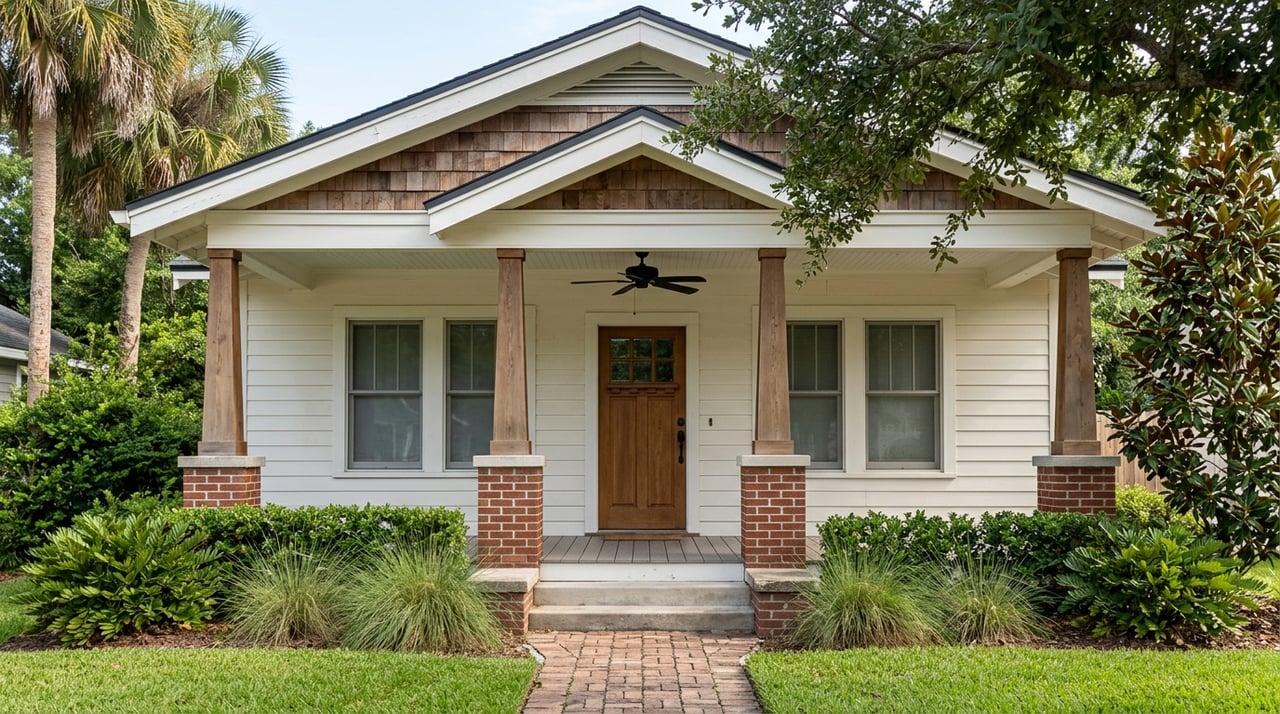
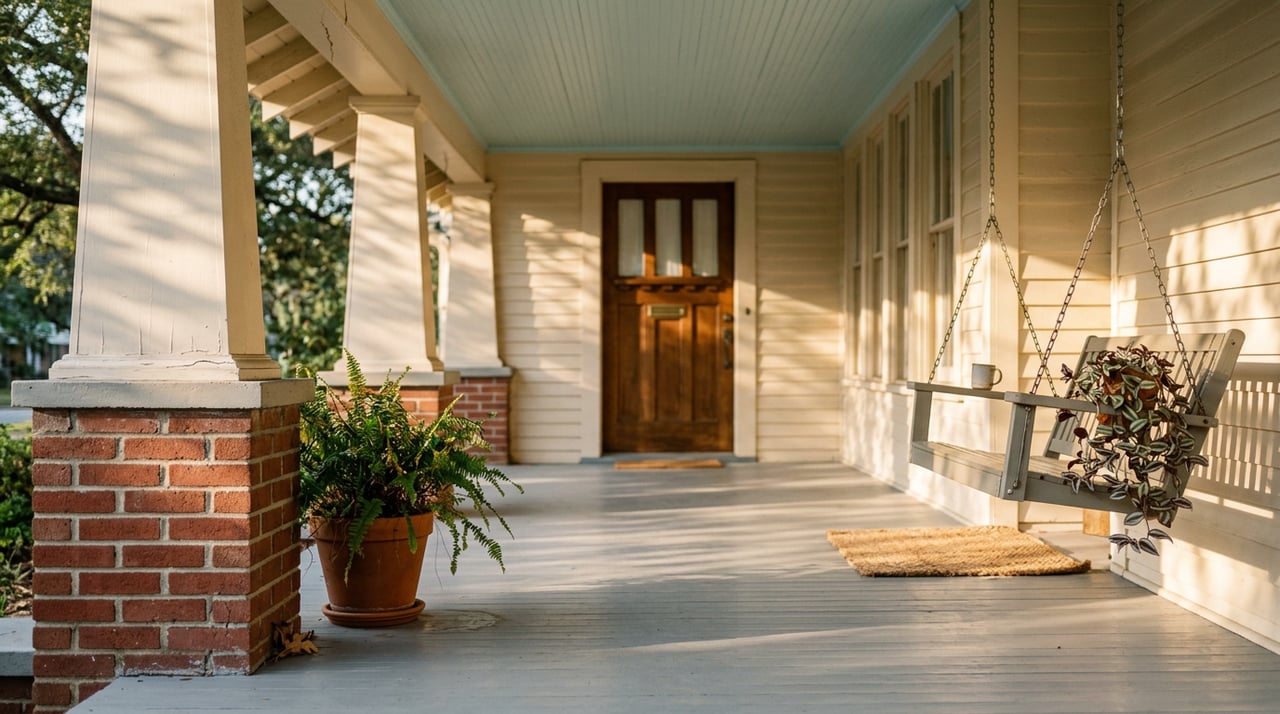
Many buyers in Historic Kenwood are drawn to Craftsman bungalow design. The National Park Service describes this style as a one-story or low-slung home with a low-pitched gabled roof, wide eaves, exposed rafters or beam ends, and a deep front porch supported by tapered square columns.
In practical terms, that means the features you love most may also be the features you need to protect. National Park Service guidance on historic architecture treats the porch and roof form as character-defining features, which matters in a bungalow-centered neighborhood like Historic Kenwood.
Still, not every home will look the same. Based on the neighborhood’s history, you may see variation in trim details, later additions, updated materials, and how much original fabric remains. That mix is part of buying in a historic district, and it is one reason careful property-by-property review matters.
One of the biggest surprises for buyers is that “historic” does not always mean the same thing for every house. St. Petersburg distinguishes between National Register historic districts and local historic districts, and some properties may also fall under the city’s Historic and Archaeological Preservation Overlay.
That distinction matters because the rules can be different depending on the parcel. According to the city’s historic preservation map and review information, a home may simply be located within the National Register district, or it may also be subject to local design review. Before you close, it is smart to verify exactly how the specific property is classified.
Older homes can be rewarding to own, but they need a more detailed inspection mindset. In Historic Kenwood, the first places to focus are often the porch, roof, and windows.
The National Park Service says historic porches, roof forms, and windows should be retained and repaired when possible rather than radically altered. For you as a buyer, that means these features are not just cosmetic. They can affect maintenance costs, future renovation decisions, and the home’s overall street-facing character.
When you walk a property or review an inspection report, pay close attention to:
These items do not automatically mean you should walk away. They do mean you should understand repair scope, likely timelines, and whether work may need to follow preservation-focused standards.
Historic homes in Florida face the same age-related issues you would expect anywhere, plus climate conditions that can accelerate wear. Warm temperatures and humidity can make moisture control a year-round priority.
The Florida Department of Health’s mold guidance notes that mold thrives in Florida’s warm, humid climate and recommends keeping indoor humidity below 60 percent, venting moisture outdoors, and fixing leaks quickly. In an older bungalow, that makes roof integrity, bathroom ventilation, and any signs of past water intrusion especially important.
Termites are another key issue. UF/IFAS guidance on termites in Florida is not included in this source list, but the research report confirms that drywood and subterranean termites are common in Florida and can damage structural wood, trim, baseboards, and door frames. For an older wood-framed home, a termite inspection should be part of your due diligence.
Character is important, but so is risk. Before you buy, you should understand whether the property is in a flood zone and what that could mean for insurance, future improvements, and monthly costs.
FEMA recommends checking whether a home is in a high-risk A or V flood zone and contacting the local floodplain administrator before making changes. If the property is in a Special Flood Hazard Area and you use a federally backed mortgage, flood insurance is generally required.
This step is especially important if you are relocating to St. Petersburg from another market. Insurance and flood-zone considerations can affect affordability just as much as the purchase price.
Many buyers assume that if a home is listed on the National Register, every exterior project is tightly regulated. That is not exactly how it works.
The National Park Service FAQs explain that National Register designation by itself does not place federal restrictions on a private owner. However, local rules can still apply, which brings you back to parcel-level verification.
If a property is locally designated or subject to the city’s preservation overlay, certain exterior changes may require design review or a certificate of appropriateness. Based on the city’s preservation review framework, projects like porch changes, visible additions, or some window replacements may take more time and planning than they would on a non-historic home.
When you buy a historic bungalow, your renovation budget should reflect a preservation mindset. In many cases, the better path is repair and selective replacement, not stripping out visible historic features and starting over.
The National Park Service rehabilitation standards emphasize repairing deteriorated historic features when possible. When replacement is necessary, the goal is to match the original design, color, texture, and visual qualities as closely as possible.
That can affect contractor selection, project timelines, and material choices. If you are budgeting for a Historic Kenwood home, it helps to think in terms of:
This is a common question, and the answer is often disappointing for owner-occupants. The National Park Service states that owner-occupied residences do not qualify for the federal historic rehabilitation tax credit.
That means the financial case for buying in Historic Kenwood usually comes from the home, the lifestyle, and the neighborhood itself, not from a federal rehab subsidy. If you are buying as your primary residence, it is wise to plan around actual repair costs rather than assuming a federal tax break will offset them.
No one can promise how any individual home will perform in the future, but there is evidence that preserved neighborhoods can show resilience. A 2024 PlaceEconomics report on St. Petersburg found that local historic districts recovered from the 2008 recession faster than the rest of the city.
The same report notes that Historic Kenwood contains a high concentration of local historic districts. While that does not guarantee a price premium for every bungalow, it does suggest that preserved character and neighborhood identity can support ongoing buyer demand.
If you are buying a Historic Kenwood bungalow, expect a home with personality, details worth preserving, and a due diligence process that goes deeper than surface-level finishes. You may also need to be more patient with inspections, insurance questions, renovation planning, and future maintenance.
The upside is clear. You get the chance to own a piece of St. Petersburg history in a neighborhood known for its architectural character and lasting appeal. When you approach the purchase with the right expectations, you can make a more confident decision and avoid expensive surprises later.
If you are considering a historic home in St. Petersburg and want clear, property-specific guidance, The Link Property Group can help you evaluate the details, understand the process, and move forward with confidence.


Whether you're buying, selling, or relocating, The Link Property Group is here to guide you every step of the way in Texas or Florida. Reach out today for personalized, expert advice and a seamless real estate experience.