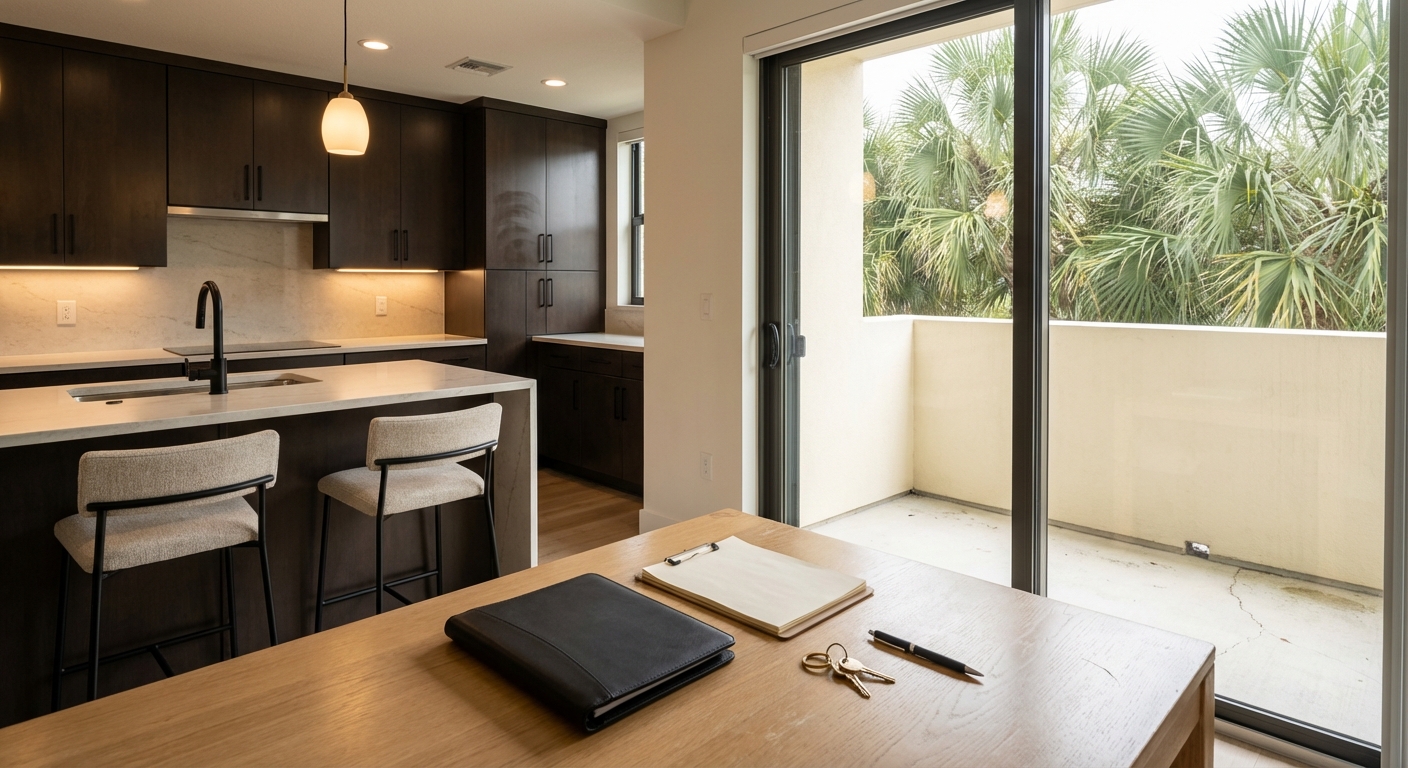
Selling a Downtown St. Petersburg Condo: A Step-By-Step Guide
February 19, 2026
February 19, 2026
Thinking about selling your downtown St. Petersburg condo but not sure where to start? Between association documents, new building inspection rules, lender reviews, and timing windows, a condo sale in 33701 has more moving parts than a typical home sale. You want top dollar and a smooth closing without surprises. This step-by-step guide gives you a clear plan tailored to Downtown St. Pete, including the documents to gather, how to price with building context, and how to prevent last-minute financing delays. Let’s dive in.
Downtown St. Pete values are hyper local. Prices vary by building, floor, view, parking, storage, condition, HOA fee level, and any special assessments. Wide ZIP-level medians you see online often blend luxury towers with smaller buildings and may not reflect your stack or view.
You’ll get the best outcome when you price using recent MLS comps from your building and immediate blocks. Be sure to factor in any active or upcoming projects noted in board minutes or inspection reports. A well-prepared, lender-ready listing can also expand your buyer pool and improve your leverage during negotiations.
Florida’s Condominium Act requires specific resale disclosures and gives buyers a limited right to cancel if they do not receive the required documents in time. The key documents include the declaration and amendments, articles, bylaws and rules, the most recent annual financial statement and budget, and the association FAQ/governance form. Review the statute and plan your timing so you deliver them correctly. See Florida Statute 718.503 for the full list and buyer rescission rules: Florida Condominium Act resale disclosures and timing.
Tip: Have your packet ready before going live. Missing or late documents can create a cancellation window and stall your sale.
Your buyer’s lender and the title company rely on the association’s estoppel (resale certificate) to verify fees, delinquencies, assessments, approval requirements, and more. Associations have a short statutory window to deliver once requested, and the estoppel is only effective for a set period. Start early so its dates line up with closing. Learn the timing and fee caps in Florida Statute 718.116: Condo estoppel delivery windows and effective periods.
Many Florida buildings three stories or higher must complete milestone inspections and structural integrity reserve studies. Associations must keep these reports as official records and provide them to prospective purchasers. If inspections revealed repairs or reserve funding needs, they can impact marketability and financing. Review the DBPR condo FAQ on milestone inspections and reserve studies and include any relevant reports or summaries in your packet.
Lenders review the project’s health, not just the unit. Active litigation, underfunded reserves, significant special assessments, high delinquency rates, or major repairs can make a building non-warrantable with standard agency loans. That can limit buyer financing options or shift buyers toward cash or portfolio loans. Early, clear disclosure helps you keep deals together. See Fannie Mae’s guidance on condo project standards: Fannie Mae project eligibility and risk factors.
Make it easy for buyers and underwriters to say yes. Assemble a digital packet that includes:
Having this ready often shortens underwriting and allows you to negotiate stronger terms.
Short-term rental allowances can meaningfully change your buyer pool. Downtown zoning and building rules vary, and Pinellas County operates a Certificate of Use program. Review local guidance and confirm your association’s rental terms. Start here: Pinellas County short-term rental guidance. If your unit has been rented, gather registration and tax remittance records.
Ask your title company to confirm the flood zone and whether an Elevation Certificate exists. Collect your prior year hazard and flood insurance declarations. Buyers and lenders will ask about coverage, deductibles, and building insurance limits, especially in waterfront-proximate areas.
Focus on high-visibility, low-cost items. Make sure balcony rails and sliders operate smoothly, doors and hardware feel solid, and interior systems show well. Professional photos should capture views, natural light, assigned parking, storage, and building amenities. Consider a floor plan and 3D tour for out-of-area buyers.
Build your pricing strategy from recent sales in your building and neighboring stacks with similar views and floors. Adjust for condition, parking, storage, and any known assessments or scheduled projects like façade work or elevator modernization. Being transparent about projects and reserves earns buyer trust and supports stronger offers.
Downtown buyers often prioritize turnkey condition, walkability to culture and dining, deeded parking, storage, and well-managed associations. Investors look for rental flexibility and clear rules. Use your building’s rental policy as a feature when it favors stability or flexibility, and disclose limits clearly when they affect short-term income potential.
Create premium marketing assets that highlight lifestyle and certainty: professional photos, a polished floor plan, a Matterport tour, and your concise building snapshot. Make your full document packet easily downloadable for pre-approved buyers.
Most buyers use conventional financing, which requires a project review. Lenders check owner-occupancy levels, delinquency rates, reserve funding, insurance coverage, commercial space ratios, and any critical repairs. Many lenders use Fannie Mae’s Condo Project Manager to streamline reviews: Condo Project Manager overview.
Your best move is to provide everything up front:
This proactive approach reduces questions, shortens timelines, and protects your contract.
Every sale is unique, but a typical cadence looks like this:
Coordinate with your property manager before you go live. Confirm lockbox rules, guest parking for showings, and any elevator reservation requirements. Many downtown buildings require deposits, move-in/move-out scheduling, or application windows that can affect closing dates. Include these details in your packet so buyers can plan confidently.
When offers arrive, weigh not just price, but also financing type, contingencies, and timeline alignment with your estoppel’s effective period. Provide the statutory condo documents within the required windows to avoid creating a buyer cancellation right. Work with your title company to verify assessments, fees, and approvals early so closing feels routine.
Selling a downtown St. Pete condo is about preparation, precision, and presentation. You deserve a team that knows the buildings, understands the new inspection and reserve rules, and can deliver a polished, lender-ready package from day one. If you’re considering selling in 33701, reach out to the experienced local team at The Link Property Group for a strategy session and an instant pricing discussion. We pair boutique, high-touch service with Compass marketing tools to help you sell confidently.


Whether you're buying, selling, or relocating, The Link Property Group is here to guide you every step of the way in Texas or Florida. Reach out today for personalized, expert advice and a seamless real estate experience.