
Clearwater Condos vs Single-Family Homes: How To Decide
April 16, 2026
April 16, 2026
Trying to choose between a condo and a single-family home in Clearwater? You are not alone. Many buyers are drawn to Clearwater for its beach access, downtown energy, and wide range of housing options, but the right fit often depends on how you want to live, what you want to spend, and how much responsibility you want to take on. This guide will help you compare the real tradeoffs so you can move forward with more confidence. Let’s dive in.
Clearwater gives you meaningful inventory in both categories, which is helpful if you are still weighing lifestyle and budget. In February 2026, Redfin reported 1,459 homes for sale citywide and 825 condos for sale, with a citywide median sale price of $382,000 and a condo median listing price of $380,000.
At the metro level, the pricing gap becomes clearer. According to Florida Realtors market data for the Tampa-St. Petersburg-Clearwater MSA, the February 2026 median sale price was $404,000 for single-family homes and $297,000 for townhouses and condos. The same report showed 3.8 months of supply for single-family homes and 7.0 months for townhouses and condos.
That matters because condos may offer a lower entry point, while detached homes may come with less building-level complexity. It also means condo buyers may see more available options, depending on the specific area and price range.
In Clearwater, property type and location often go hand in hand. The city describes downtown Clearwater as its urban core and says its downtown planning encourages mixed land uses, residential projects, and a walkable environment focused on living, working, shopping, and recreation, according to the Clearwater Community Redevelopment Agency.
The city’s planning approach also supports attached dwellings in certain beachfront areas. If you picture yourself near downtown amenities or closer to waterfront settings, condos may naturally rise to the top of your list. If you want a more traditional detached-home setup with a private lot, other residential areas may be a better fit.
Condos appeal to many buyers because they can simplify day-to-day ownership. If you want less exterior upkeep and like the idea of shared amenities or a more lock-and-leave lifestyle, a condo can make a lot of sense.
This is especially true for buyers who want to be near downtown or beach-oriented parts of Clearwater. If convenience, walkability, or seasonal use matters most, condos often check those boxes better than a detached home.
Florida law places responsibility for common-element maintenance on the condominium association, as outlined in Florida Statute 718.113. That can reduce the amount of direct exterior maintenance you manage yourself.
For many buyers, that means fewer decisions about roofing, exterior repairs, and shared building systems. The tradeoff is that you help pay for those items through association dues and, in some cases, special assessments.
In the broader metro area, condos and townhouses had a lower median sale price than single-family homes in February 2026, based on Florida Realtors data. If you are trying to balance affordability with location, that lower price point may open doors.
Still, the purchase price is only part of the story. Monthly HOA dues, reserve contributions, insurance, and possible special assessments can affect the real cost of ownership.
A condo can be a great fit, but it requires more document review than many buyers expect. In Clearwater and throughout Florida, that due diligence matters.
Florida now requires a structural integrity reserve study at least every 10 years for certain residential condominiums, and milestone inspections for qualifying buildings at specific ages, according to Florida Statute 718.113. For budgets adopted on or after December 31, 2024, some condo associations also cannot vote to underfund required reserves for listed structural items.
For you as a buyer, this means monthly costs can change based on the building’s condition, reserves, and upcoming projects. A condo that looks affordable at first glance may feel different once you review the budget and long-term building needs.
Florida gives condo buyers the right, in applicable cases, to receive key documents like the milestone inspection summary and the most recent structural integrity reserve study at least 15 days before executing a contract, as noted in Florida Statute 718.503. That added transparency is helpful, but it also means more paperwork to review carefully.
You will want to understand not just the unit, but the association itself. Budget strength, master insurance, rules, and upcoming repairs can all affect your comfort level and future costs.
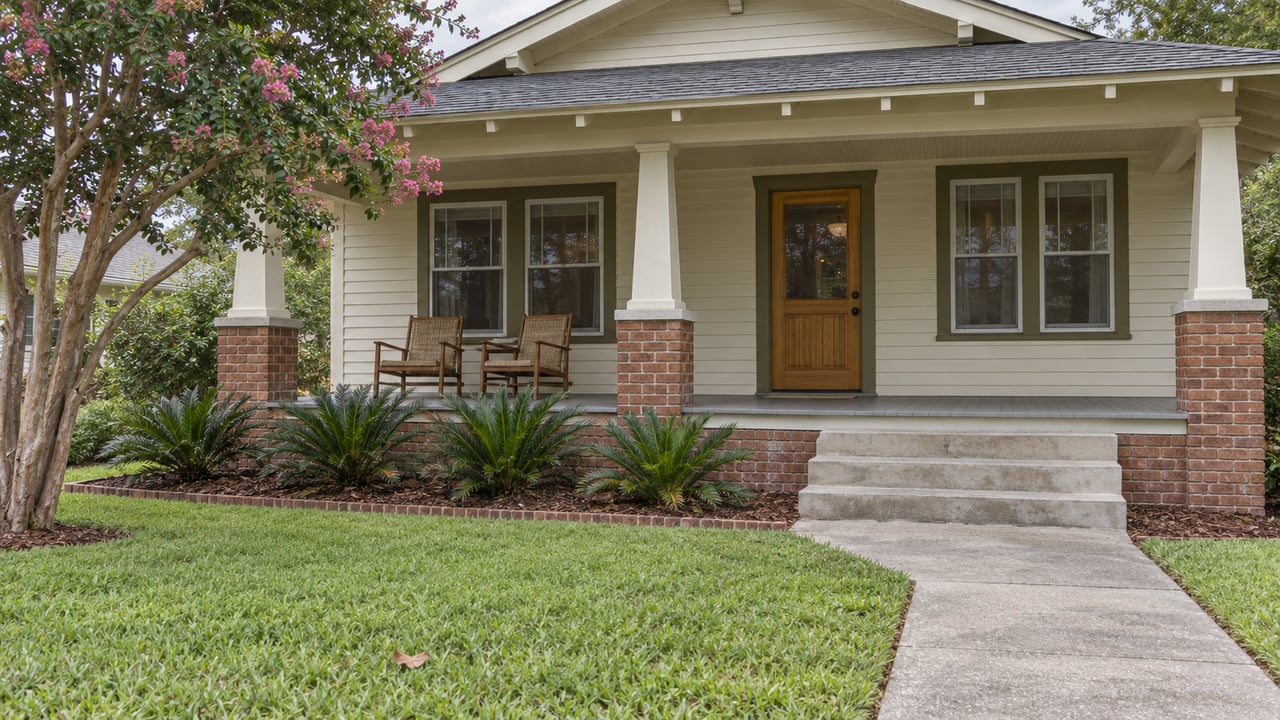
If you want more control, more privacy, or room to adapt the property over time, a single-family home may be the stronger choice. This option often works well for buyers who plan to stay longer term or want space that can evolve with their needs.
With a detached home, you are generally closer to every major decision about maintenance, repairs, and improvements. That can feel like more work, but it also gives you more flexibility.
Clearwater also allows accessory dwelling units in certain residential zoning districts, which can create options for multigenerational living or supplemental rental income on a detached lot, according to the city’s ADU guidance. If flexibility matters to you, this is an important point in favor of a single-family property.
Buyers who want room for hobbies, storage, pets, outdoor living, or future expansion often prefer detached homes. You may also find it easier to shape the property around your routines instead of adapting to building rules.
That can be especially valuable if you expect your space needs to change over the next several years. For some buyers, that flexibility outweighs the added upkeep.
More control also means more responsibility. With a detached home, you will typically be the one handling property upkeep and major system planning.
Clearwater’s Code Compliance division addresses issues like overgrown yards and exterior maintenance concerns, and the city requires permits for many alterations or repairs. In practical terms, you should budget for both routine maintenance and future capital expenses.
A roof replacement, exterior painting, landscaping, and storm-related repairs usually fall more directly on you. That does not make single-family ownership a bad choice, but it does mean your monthly and long-term budgeting should reflect the full picture.
No matter which property type you choose, insurance deserves close attention in Clearwater. Florida’s consumer insurance guidance explains that homeowners insurance typically covers the dwelling, attached structures, and personal property, while condo owners usually need an HO-6 policy focused more on personal property and liability, according to the Florida Chief Financial Officer’s consumer guide.
Flood insurance is also a separate question in many cases. Because homeowners insurance does not typically cover flood damage, coastal buyers should review flood exposure carefully whether they are buying a condo or a detached home.
A smart next step is checking official flood tools like the FEMA Flood Map Service Center. If a property sits in a higher-risk flood area, that can affect both monthly costs and long-term ownership strategy.
If part of your purchase decision depends on rental income, be careful not to make assumptions. Clearwater states that short-term rentals are not permitted in residential zoning districts, and rentals must be at least 31 days or one calendar month, whichever is less restrictive, according to the city’s Citizens Guide to Code Compliance.
That rule matters for both condos and single-family homes. For condos, you also need to review the association’s rental restrictions, since building rules may be tighter than city rules.
If you are still torn, focus on your daily life and your five-year plan. The better choice is usually the one that fits how you want to live, not just what looks best on paper.
Choose a condo if you want:
Choose a single-family home if you want:
In either case, review the full cost of ownership, not just the price tag. Insurance, flood exposure, maintenance, association dues, and future repair needs all matter.
The right move depends on your goals, timeline, and comfort level with responsibility. If you want help comparing Clearwater condos and single-family homes based on your budget and lifestyle, The Link Property Group can help you sort through the options with clear local insight and a personalized strategy.

Whether you're buying, selling, or relocating, The Link Property Group is here to guide you every step of the way in Texas or Florida. Reach out today for personalized, expert advice and a seamless real estate experience.