How Downtown St. Petersburg Development Is Shaping Future Housing
June 11, 2026
June 11, 2026
Wondering whether downtown St. Petersburg’s building boom will create more housing choices or simply raise the bar on luxury living? If you are buying, selling, or planning a move, that question matters because today’s projects are shaping not just the skyline, but also the kind of homes available in the years ahead. The good news is that there is a clear pattern emerging, and understanding it can help you make smarter real estate decisions in downtown St. Pete. Let’s dive in.
If you look at the current development pipeline, one trend stands out right away: downtown St. Petersburg is growing vertically. New projects are concentrated in high-rise and mixed-use buildings rather than low-rise residential expansion.
That pattern makes sense in a downtown where large sites are limited and land is expensive. It also means much of the new inventory is focused on buyers looking for newer construction, walkable amenities, and a more elevated lifestyle experience.
Several recent and current projects show exactly where downtown housing has been headed.
400 Central is one of the clearest examples of downtown’s current direction. The 46-story tower includes 301 residences, about 45,000 square feet of office space, around 60,000 square feet of ground-floor retail, and more than 900 parking spaces.
This project is now in phased occupancy, and it highlights how new downtown housing often comes bundled with retail, office space, parking, and a full amenity package. In other words, buyers are not just purchasing a home. They are buying into a full mixed-use lifestyle.
Not every new development is a giant tower. The Nolen, which opened in July 2025, is a 23-story building with 31 units near Beach Drive.
Its smaller scale shows that demand exists for a more private and exclusive product too. The developer also highlighted its 22-foot elevated ground floor, a detail that stands out in a coastal market where storm resilience is part of the conversation.
Art House, a 42-story project at 235 1st Ave. S., was planned with 244 condos, commercial space, and a large amenity package. Saltaire, completed in 2023, added another 35-story luxury condo tower to the downtown waterfront area.
Taken together, these projects show that recent supply has leaned heavily toward high-end condos with strong design, amenities, and premium locations. For buyers, that creates more choice at the upper end of the market. For sellers, it raises expectations around presentation, finishes, and lifestyle appeal.
While luxury towers are shaping the skyline today, the Historic Gas Plant District redevelopment may have the biggest long-term impact on future housing downtown.
The site covers about 86 acres at the edge of downtown, making it very different from a typical infill condo project. Because of its size and public importance, what happens there could influence housing options at multiple price points for years.
The city includes the Historic Gas Plant District Redevelopment among its major current development efforts. In the 2026 process, nine proposals were submitted before the city narrowed the field to four.
That alone tells you this is not a small or routine project. It is one of the largest future housing wildcards in downtown St. Petersburg.
The shortlisted concepts suggest several possible directions for the site:
What makes this especially important is the range of housing types under discussion. Unlike a single luxury condo tower, this redevelopment could shape the balance between market-rate housing, workforce-oriented housing, senior housing, and broader community uses.
Downtown’s growth pattern is not happening by accident. City policy and land-use rules help explain why so much of the new housing supply is concentrated in larger, taller projects.
St. Petersburg’s housing plan includes goals to create and preserve 2,400 multifamily units, support 200 workforce density bonus units, encourage 300 accessory dwelling units, and use mixed-income development on city-owned land. The plan also calls for more market-rate supply through zoning changes.
These goals show the city is thinking about affordability and supply on a broader level. Still, in downtown specifically, much of the visible new inventory remains concentrated in upper-tier product.
The city’s Downtown Center bonus approval process allows increased floor area ratio and building height in downtown districts when bonus provisions are met. In practical terms, that means downtown can absorb larger mixed-use projects more easily than many lower-scale areas.
That zoning structure supports continued vertical development. Unless city-owned land or public policy efforts expand lower-cost options, future downtown housing is likely to remain centered on large, capital-intensive projects.
Housing demand downtown is not only about unit count. It is also about how people want to live once they are there.
That is why transportation, public spaces, and waterfront destinations matter so much in this conversation. New residential projects are rising alongside investments that strengthen downtown’s day-to-day appeal.
PSTA says the SunRunner connects downtown St. Petersburg to St. Pete Beach in about 35 minutes, runs every 15 minutes during the day, and serves destinations including Tropicana Field, Central Avenue, and the Pier district.
For buyers who value mobility and connectivity, that adds another layer to downtown living. It also supports the broader appeal of walkable, mixed-use housing near activity centers.
The St. Pete Pier continues to serve as a major waterfront amenity with restaurants and public gathering spaces. Williams Park is also slated for upgrades including a bandshell renovation, new gateways, lighting, and planters, with completion expected later in 2026 or early 2027.
These improvements matter because they strengthen the everyday experience of living downtown. When buyers compare housing options, nearby public spaces, dining, and event activity often play a major role in perceived value.
If you are shopping for a home in downtown St. Petersburg, you should expect most new supply to remain concentrated in newer, amenity-rich residences. That includes both major towers and smaller boutique buildings, but the common thread is still higher-end positioning.
If your goal is a walkable downtown lifestyle, you may see more choice in luxury and upper-luxury segments than in entry-level options. Any meaningful increase in more attainable housing may be more likely to come through city-backed, mixed-income, or larger redevelopment efforts like the Gas Plant site rather than private condo towers alone.
If you own property downtown, the development pipeline sends a mixed but useful signal. On one hand, new projects reinforce the appeal of downtown living and can help support values for homes and condos with strong locations, views, character, or walkability.
On the other hand, newer luxury inventory creates direct competition, especially in the upper end of the market. Buyers may compare your property against new towers that offer modern finishes, expansive amenities, and stronger storm-resilience features.
That makes pricing, preparation, and marketing even more important. In a market where new development is raising expectations, a well-positioned resale can still stand out, but it needs a clear value story.
Downtown St. Petersburg is clearly moving toward a denser and more amenity-driven housing future. The skyline tells that story already.
The bigger question is whether future development will broaden housing choices beyond luxury product. If the Historic Gas Plant redevelopment brings more workforce, mixed-income, or senior housing into the picture, downtown’s next chapter could look much more balanced than its current pipeline suggests.
Whether you are buying a condo, selling a downtown property, or relocating to St. Pete, this is the kind of market shift worth watching closely. If you want local guidance on how new development may affect your move, The Link Property Group can help you navigate the downtown St. Petersburg market with a personalized, high-touch approach.
Market Update
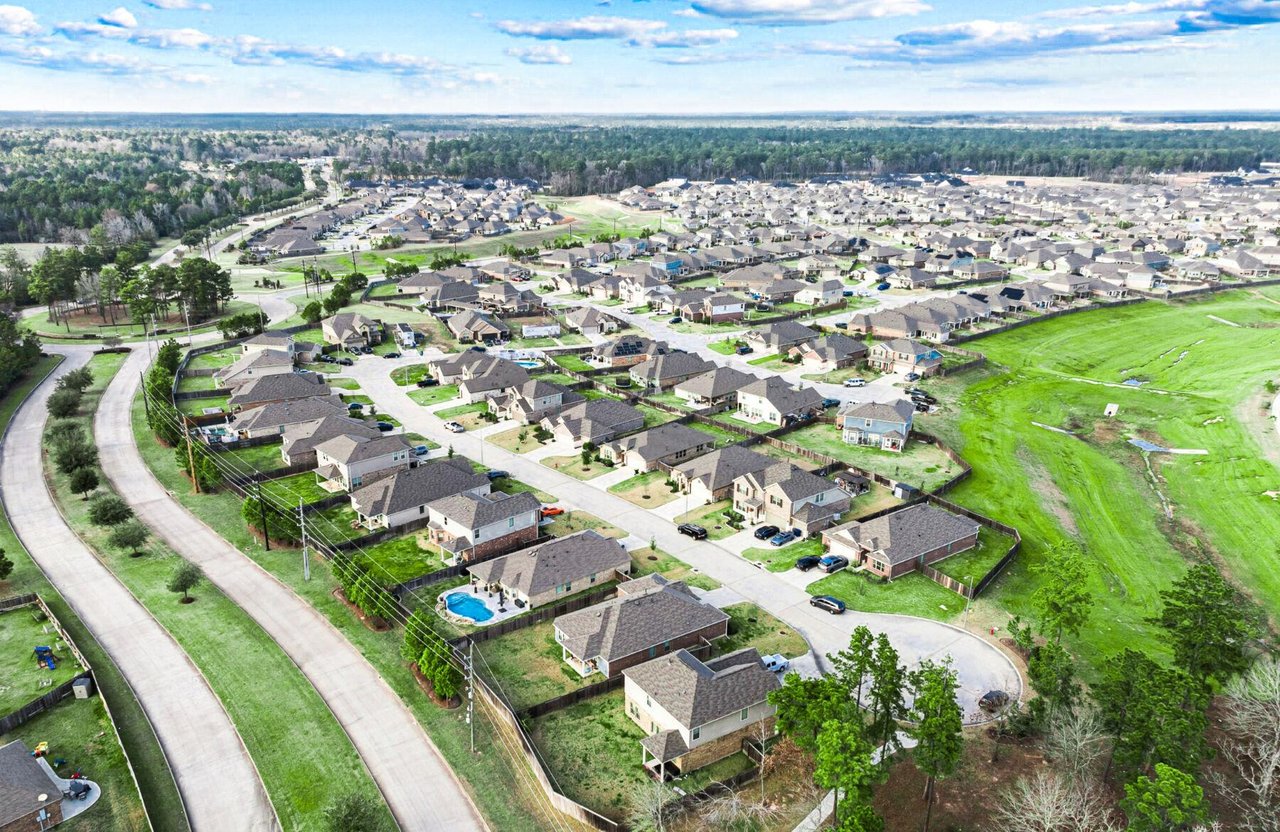
More homes hitting the market, moderating prices, and improved affordability are giving Houston buyers new opportunities this spring.
greater houston
Where buyers are finding the best value, newer homes, and lifestyle amenities in 2026.
Whether you're buying, selling, or relocating, The Link Property Group is here to guide you every step of the way in Texas or Florida. Reach out today for personalized, expert advice and a seamless real estate experience.