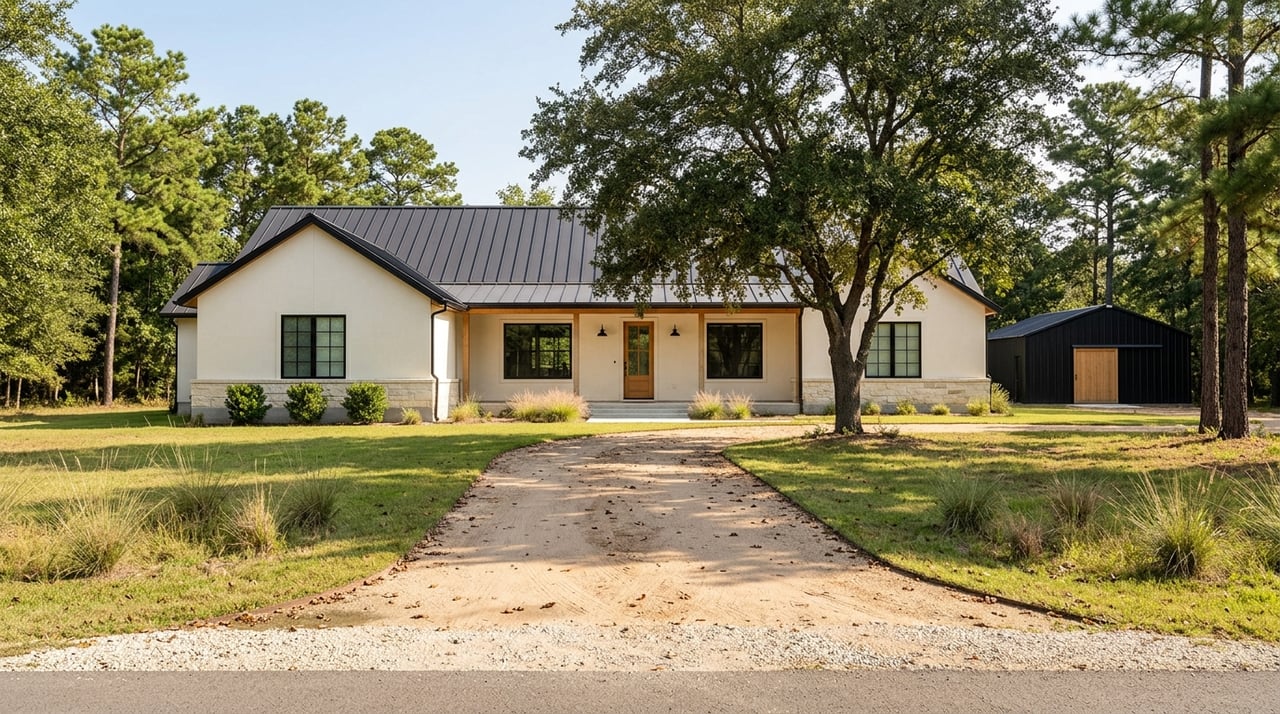
Buying Acreage in Magnolia, TX: A Homebuyer’s Guide
June 4, 2026
June 4, 2026
Wondering if buying acreage in Magnolia, TX means freedom, flexibility, or a long list of surprises? The truth is, it can be all three. If you are dreaming about more space, more privacy, and room to build the lifestyle you want, it helps to understand how acreage ownership works in Magnolia before you make an offer. This guide walks you through the local due diligence, utility questions, and long-term planning points that matter most so you can move forward with confidence. Let’s dive in.
Magnolia sits in southwest Montgomery County and offers a setting that feels more open while still keeping you within a short drive of Houston. The city highlights regional access and local growth tied in part to the SH 249 Toll Way, which helps explain why buyers continue to look at this area for land and larger homesites.
For many buyers, acreage in Magnolia is about trading subdivision living for more elbow room. You may gain privacy, flexibility, and space for outdoor use, but you also take on more responsibility for the land itself. That can include utilities, drainage, septic planning, and general upkeep that a typical neighborhood may handle differently.
One of the first questions to ask is whether the property is inside Magnolia city limits or in unincorporated Montgomery County. That single detail can shape how you think about utilities, permitting, and day-to-day ownership.
Inside the city limits, Magnolia says it provides water, wastewater, and refuse removal. The city also has procedures for new utility connections and maintains a resource page for utility, telecom, and internet providers. Even so, you should still verify service availability at the specific parcel, because acreage properties can vary widely from one address to the next.
If the tract is outside city limits, the setup may be more rural and more hands-on. That often means taking a closer look at septic needs, well water, and floodplain status before you move too far into the process.
Acreage can look perfect in person and still come with legal or practical limitations. That is why access and easements deserve a close review early in your due diligence.
Texas A&M’s Real Estate Research Center notes that rural buyers can run into problems if easements are misunderstood. In some cases, a property may have limited access or access that depends on rights described in title documents rather than what seems obvious on the ground.
As you review a tract, pay attention to questions like these:
With larger tracts, property rights can matter just as much as the land’s appearance. A beautiful parcel is only as usable as its legal access and restrictions allow.
Mineral rights are one of the biggest due diligence items for acreage buyers in Texas. The state separates the surface estate from the mineral estate, and the mineral estate is considered dominant.
According to the Texas Railroad Commission, the mineral owner may have broad rights to use the surface in a reasonable way for exploration and production. That means you should not assume mineral rights transfer with the land unless the deed and title materials clearly show what conveys.
When you are evaluating acreage in Magnolia, make sure you confirm whether mineral rights are:
This is an area where details matter. Knowing what you are buying helps you avoid confusion later and gives you a clearer picture of the property’s long-term use.
If the property is not connected to city utilities, septic planning becomes a major part of your decision. Montgomery County says new on-site sewage facility, or OSSF, installations require a site evaluation, soil analysis, a designed system, and floodplain status review.
The county also says lots should generally be at least 0.75 acre for septic without a private well and 1.5 acres for septic plus a private well. Some older recorded lots may receive special consideration, but buyers should never assume that applies without verification.
If you are considering well water, remember that private wells require owner oversight. TCEQ says the owner is responsible for regular testing, and it recommends using an accredited drinking-water laboratory. That means well ownership comes with ongoing maintenance and monitoring, not just the initial installation.
Here is a simple way to think about rural utility questions:
| Item | Why it matters |
|---|---|
| Septic feasibility | Determines whether the tract can support your intended use |
| Soil analysis | Helps define the type of septic system required |
| Floodplain status | Can affect permits and placement |
| Well testing | Supports water quality monitoring over time |
| Parcel-level utility access | Confirms what services are actually available |
A spacious lot can still have flood-related constraints. In Montgomery County, flood hazard areas are subject to periodic inundation, and county regulations apply in unincorporated areas.
This matters because floodplain and floodway status can directly affect what you can build and permit. The county also says it will not issue permits for septic systems in the regulatory floodway, which is a critical detail for buyers looking at rural tracts.
Before you commit to acreage, ask whether the land is in a floodplain or floodway and how that affects your plans. If you want to build, add structures, or install septic, this review should happen early, not after closing.
If school attendance zones matter to your move, verify them by address instead of relying on a general map. Magnolia ISD recommends confirming assignment through MCAD and the district’s locator tools because boundary lines can appear inaccurate on maps, especially near district edges.
MISD also maintains rezoning history, which is worth reviewing in a fast-growing area like Magnolia. If a property sits near a boundary line, do not assume the assignment shown on a broad online map tells the full story.
A neutral, practical approach is best here. Confirm the assigned schools for the current address, review any relevant district tools, and ask questions early if the tract is close to an attendance boundary.
Buying acreage is not only about the purchase. It is also about what ownership looks like six months, two years, and five years from now.
Compared with a typical subdivision property, acreage often requires more direct oversight. Septic maintenance is an important example. The EPA notes that septic care is necessary to protect health and help avoid costly system failures, so it should be part of your regular homeownership budget and routine.
If the property has a private well, ongoing testing should also be part of that plan. Together, these responsibilities mean acreage ownership is often more hands-on than many buyers first expect.
It helps to think ahead about:
For some buyers, acreage is not just a place to live. It is also a long-term landholding decision. That is why it can be smart to ask whether the property may qualify for open-space, agricultural, or wildlife management appraisal.
Texas property tax guidance notes that open-space land is appraised on productivity value and generally needs qualifying agricultural use in 5 of the preceding 7 years. Texas Parks and Wildlife says applications for wildlife management appraisal are filed through the county appraisal district.
Not every tract will qualify, and buyers should verify the property’s current status and requirements before making assumptions. Still, if long-term carrying costs are part of your decision, this is an important conversation to have early.
Acreage living does not mean giving up access to everyday conveniences and local amenities. Magnolia offers a small-town amenity base that supports daily life while keeping the area connected to the broader region.
The city highlights places such as Unity Park, a 30-acre municipal park and wildlife preserve, and The Stroll, a half-mile linear park in the town center. City resources also point residents to the Malcolm Purvis Library, Montgomery County services, and an emergency services district office. Magnolia is also identified by the city as the official host city of the Texas Renaissance Festival.
For buyers relocating from a denser suburb or from out of state, that mix can be appealing. You can pursue more space without feeling completely removed from local services and community touchpoints.
If you are narrowing down acreage options in Magnolia, keep this checklist handy:
Acreage can be a great fit when the land supports your goals and the details match your expectations. The key is making sure the property works on paper, not just in photos.
If you are considering acreage in Magnolia, a local guide can help you sort through parcel details, compare properties, and spot questions before they become problems. Connect with The Link Property Group for personalized guidance as you explore your next move.

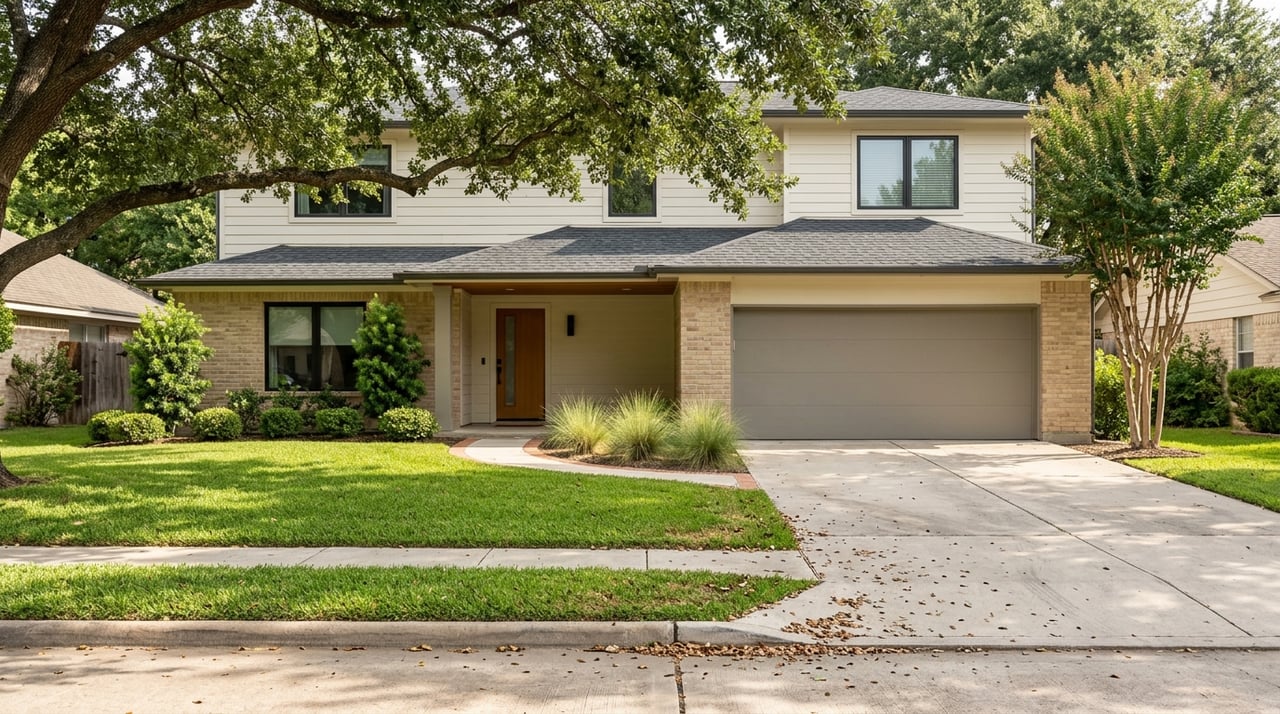

Market Update
More homes hitting the market, moderating prices, and improved affordability are giving Houston buyers new opportunities this spring.
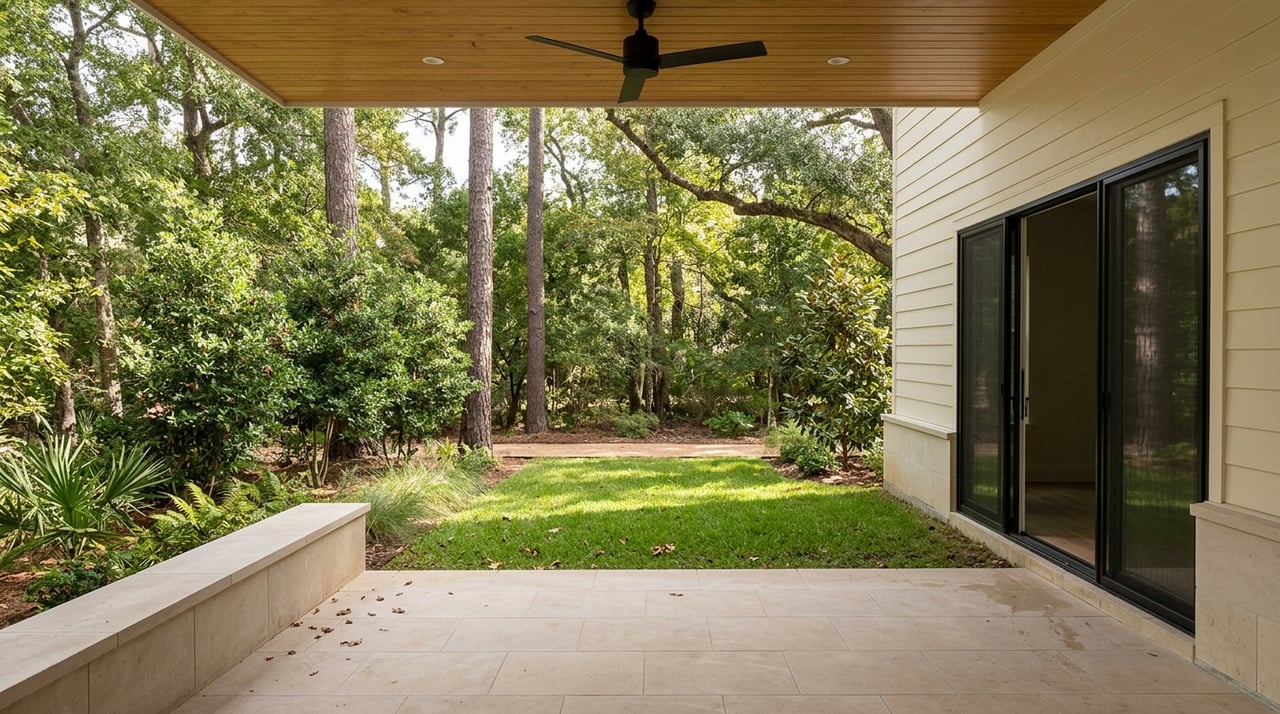

greater houston
Where buyers are finding the best value, newer homes, and lifestyle amenities in 2026.

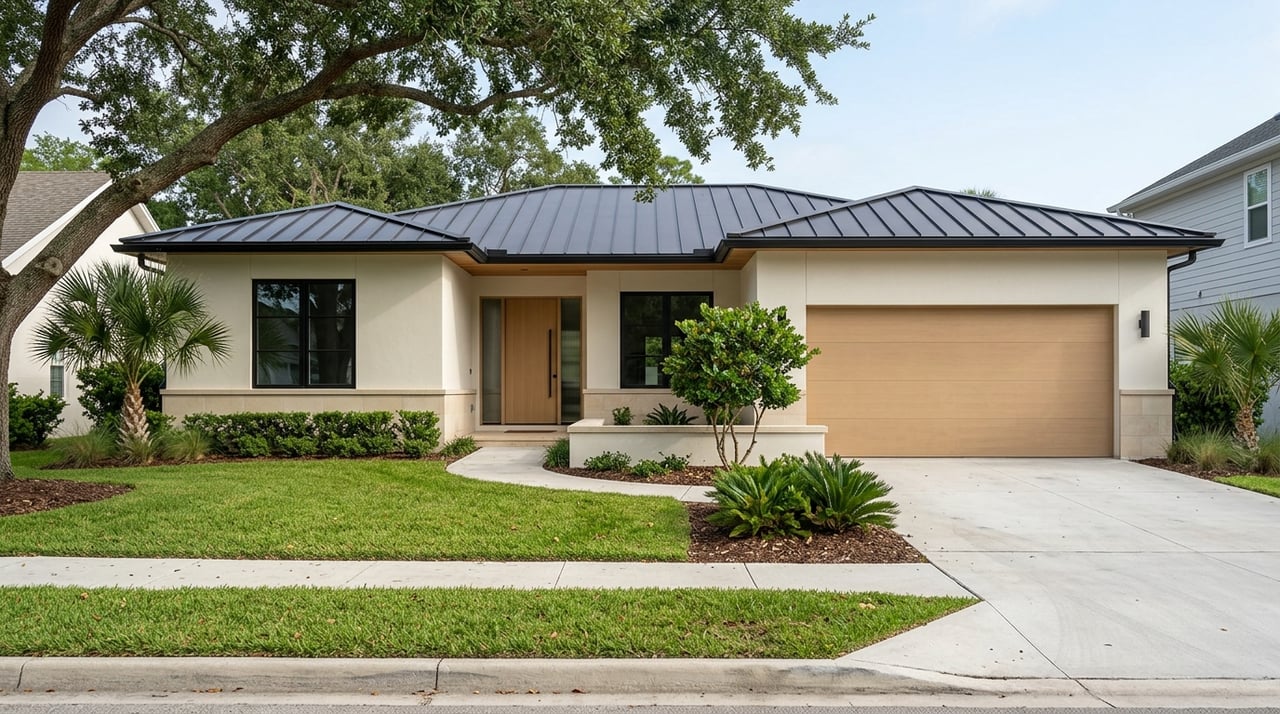
Whether you're buying, selling, or relocating, The Link Property Group is here to guide you every step of the way in Texas or Florida. Reach out today for personalized, expert advice and a seamless real estate experience.