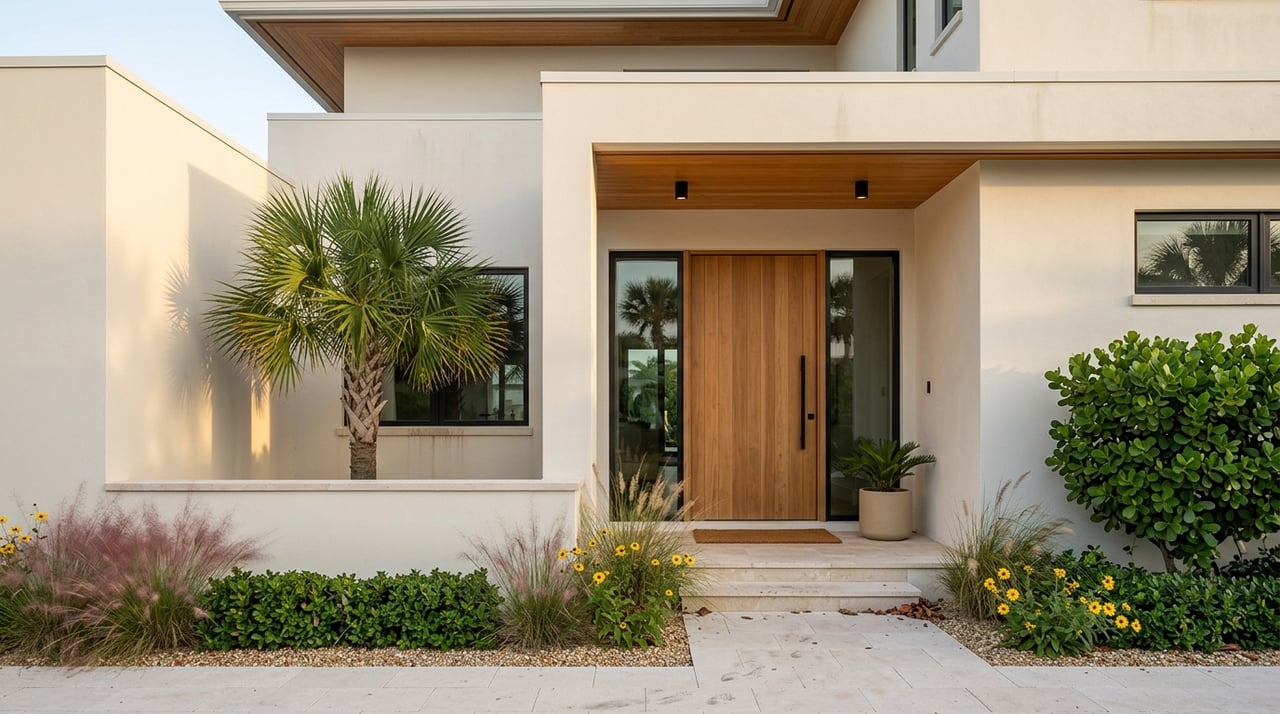
Buying on St. Pete Beach as a Second Home or Primary
June 25, 2026
June 25, 2026
Thinking about buying on St. Pete Beach, but not sure whether your next place should be your full-time home or your getaway spot? That question matters more here than it does in many other markets because your tax treatment, insurance costs, rental options, and maintenance needs can look very different depending on how you plan to use the property. If you want a clearer way to weigh the tradeoffs, this guide will walk you through what to consider before you buy. Let’s dive in.
In St. Pete Beach, your intended use is not a small detail. It shapes how you should evaluate taxes, flood exposure, insurance, rental rules, and even the type of property that makes sense for your lifestyle.
This is especially important in a market where seasonal ownership is already common. The city reports that nearly 28% of residential homes and condos are owned by people whose primary residence is elsewhere, so both full-time and second-home ownership are part of the local housing mix.
St. Pete Beach offers more than just waterfront views. The city highlights beaches, parks, restaurants, shopping, the Gulf Beaches Historical Museum, a free shuttle, beach parking, and community events, all of which can affect how practical a home feels for everyday living or part-time use.
If you plan to live here full time, you may care most about year-round convenience and daily routines. If you are buying a second home, you may focus more on easy access, security, and how simple the property is to maintain when you are away.
If you want to make St. Pete Beach your permanent home, one of the biggest financial advantages may be Florida homestead benefits. In Pinellas County, you must own and occupy the property as your permanent home on January 1 to qualify for the homestead exemption, and the application deadline is March 1 following the year of purchase.
According to the Pinellas County Property Appraiser, the homestead exemption can save roughly $500 to $1,000 per year. The county also notes that seller taxes should not be used as a future estimate because the assessed value resets to market value after a change in ownership.
For many primary buyers, the bigger benefit is not just the initial exemption. Florida’s Save Our Homes cap limits annual assessed value increases to 3% for homesteaded properties, which can make long-term ownership more predictable.
If you already own a Florida homestead, you may also be able to port your accumulated assessment difference to another Florida homestead within three tax years. That can make a meaningful difference if you are relocating within the state and trying to manage future carrying costs.
If you are moving from out of area, you will want to plan for residency documentation early. Pinellas County asks for items such as a Florida driver license or ID, vehicle registration, voter information where applicable, and proof that any prior residency-based exemption has been removed.
It is also important to know that if the property is rented or otherwise stops being your homestead, the exemption no longer applies. For buyers deciding between full-time use and part-time ownership, that is a key distinction.
St. Pete Beach is a natural fit for a second-home buyer because the city already has a strong seasonal population. That can make part-time ownership feel normal and practical, but it also means you should think beyond the view and ask how easy the home will be to manage when vacant.
For many second-home buyers, the best fit is often a property that is simple to lock, leave, and service between visits. Ease of maintenance, building management, storm prep, and security can matter just as much as layout or finishes.
Many buyers assume they can offset costs with short-term rentals, but local rules matter. In St. Pete Beach, short-term rentals of less than one month are not permitted in many districts.
The city allows transient occupancy under 30 days only up to three times in any 12-month period in the RM zoning district and in the Pass-A-Grille Overlay District. Rentals of one month or more are allowed throughout the city.
Permanent transient lodging uses require a business tax license and zoning and fire review. By contrast, one-month-or-more rentals in single-family homes do not require a business tax license.
If you want occasional personal use plus rental income, confirm the property’s zoning, condo bylaws, and HOA rules before you move forward. A property that looks perfect on paper may not work for the rental plan you had in mind.
In this market, it is smarter to verify rental flexibility upfront rather than assume it exists. That step can help you avoid buying a home that does not match your financial goals or usage plans.
On a barrier island, flood risk should be part of your first-round due diligence. Pinellas County says flood zones, evacuation zones, and storm surge are different risk layers, so buyers should review each one separately.
The county’s Flood Map Service Center is the best starting point for address-specific information, including flood risk, evacuation zones, storm surge, sea level rise data, and elevation certificates. That is often more useful than relying on broad assumptions about a neighborhood or block.
Flood insurance is another key cost to review early. The National Flood Insurance Program says flood insurance is required if a property is in a Special Flood Hazard Area and the mortgage is government-backed, and most homeowners policies do not cover flood damage.
Pinellas County also notes that flood insurance pricing depends on factors such as elevation and building construction. In other words, two properties near each other can carry different insurance costs.
St. Pete Beach’s flood information notes that hurricanes and even summer thunderstorms can cause extensive flooding. The city also issues coastal flood notifications for high tides, king tides, rainfall, and storm events.
Hurricane season runs from June 1 through November 30, with the largest storm chance typically in August and September. If you are buying a second home, this makes planning for storm prep and vacancy periods especially important.
For some buyers, the biggest surprise comes after closing. The city says that if a home in a mapped flood hazard area is substantially improved or substantially damaged, it may need to be brought into compliance with floodplain rules and the Florida Building Code.
That can mean elevation above the Design Flood Elevation or, in some cases, demolition. The city also notes that only parking, building access, and limited storage are allowed below the Design Flood Elevation.
Condos can be appealing on St. Pete Beach because they often offer easier maintenance for primary and second-home buyers alike. Still, condo due diligence is very different from single-family due diligence, especially in Florida.
If a residential condominium or cooperative building is three habitable stories or more, Florida law requires milestone inspections generally at 30 years of age and every 10 years after that. In some local circumstances near salt water, the first inspection can move to 25 years.
Florida law also requires a structural integrity reserve study for qualifying condo associations, updated at least every 10 years. These studies cover key building systems and reserve funding plans.
That matters because total ownership cost may include more than monthly dues. Reserve funding can involve regular assessments, special assessments, lines of credit, or loans.
Recent Florida condo-sale rules require disclosures about milestone inspections and structural integrity reserve studies when applicable. The practical takeaway for you is simple: ask early for reserve schedules, inspection summaries, budgets, insurance certificates, and recent meeting minutes.
Getting those documents before your contingencies expire can help you see whether the building is financially stable and whether future special-assessment risk looks manageable.
While every buyer has different priorities, the deciding factors on St. Pete Beach are often surprisingly practical. Flood risk, rental permission, and maintenance burden usually matter more than floorplan alone.
For primary buyers, the biggest advantages often center on year-round livability, tax treatment, and long-term carrying costs. For second-home buyers, the focus is often lock-and-leave ease, flood exposure, and the stability of the condo or homeowners association.
If you are trying to choose between buying a primary residence or a second home on St. Pete Beach, start with these questions:
Clear answers to those questions can make your decision much easier. They also help you compare properties based on real ownership costs, not just list price.
Whether you are relocating full time or looking for a seasonal place that fits your lifestyle, the smartest St. Pete Beach purchase is the one that matches how you will actually use it. If you want help sorting through flood considerations, condo documents, tax implications, and property options, The Link Property Group can help you evaluate the details with a local, relationship-first approach.
Whether you're buying, selling, or relocating, The Link Property Group is here to guide you every step of the way in Texas or Florida. Reach out today for personalized, expert advice and a seamless real estate experience.