Condo vs Townhome Living In Downtown St. Petersburg
Condo Market Trends Tim Shoup February 5, 2026
Condo Market Trends Tim Shoup February 5, 2026
Torn between a sleek condo tower and a roomy townhome in downtown St. Petersburg? You want walkable living, easy maintenance, and a home that fits your lifestyle today and years from now. In this guide, you’ll compare ownership, fees, insurance, amenities, and day-to-day living so you can choose with confidence. Let’s dive in.
In a condo, you own your unit’s interior and share ownership of the building’s common elements. The association typically maintains the exterior, structure, roof, elevators, parking garages, and amenities. In a townhome, you often own the unit and the land under it as fee-simple property. Maintenance responsibility varies by community, so you must check the declaration and CC&Rs to see what the HOA covers.
Florida condominiums are governed by the Florida Condominium Act, Chapter 718. Most townhome communities fall under the Florida Homeowners’ Association Act, Chapter 720. After statewide reforms adopted post-2021, older condo buildings face heightened inspection, reserve funding, and structural safety requirements. Always review the latest association documents and confirm compliance with current state and local rules before you buy.
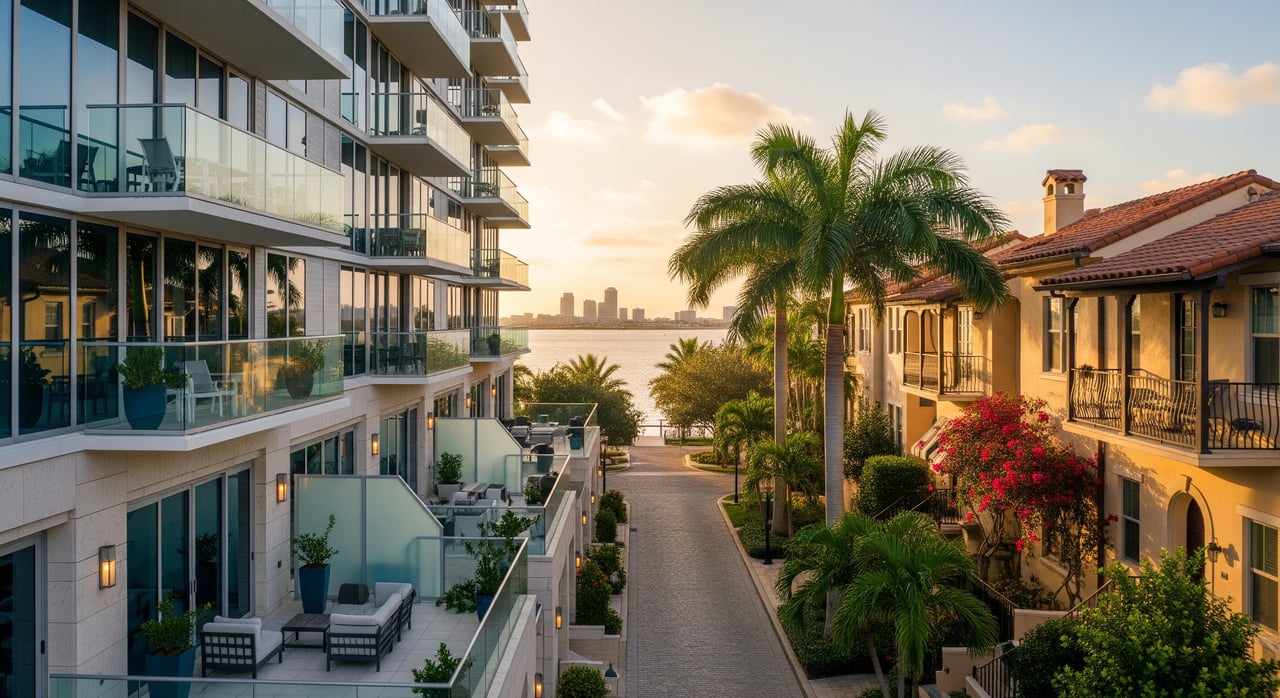
Downtown St. Pete offers high walkability to restaurants, galleries, the waterfront, and cultural events. Development is dense, with a mix of mid and high-rise condos plus newer infill townhome communities. It draws empty nesters, professionals, seasonal residents, and investors who want proximity to jobs and entertainment.
You get a lock-and-leave setup with building maintenance handled by the association. Many buildings offer security, concierge services, fitness centers, and rooftop spaces. Expect smaller private outdoor areas but strong access to shared amenities and views. Central locations can also mean more street activity and noise.
You enjoy a more private, house-like feel with multiple levels, a private entry, and often a small patio or yard. A private garage is common and can be a big convenience in a dense core. Townhomes are often on side streets, which may feel quieter than main corridors. You usually get more square footage while staying close to the action.
Condos typically include assigned or covered parking within a garage. Visitor parking can be limited in older buildings. Townhomes often come with a private garage or dedicated space, though street parking rules still matter. Both options are walkable downtown, but proximity to Beach Drive or Central Avenue affects access to dining and events. Be mindful of seasonal events and festivals that increase noise and foot traffic. Condos on main streets feel it more, while townhomes on side streets may be calmer.
Condo fees often run higher because they fund vertical systems like elevators, parking structures, on-site staffing, and amenities such as pools or fitness centers. Fees also pay for master insurance and reserve contributions. Townhome HOA fees vary widely. Some cover only common-area landscaping and roads, while others also handle exterior paint, roofs, and even landscaping for each unit. Your long-term costs depend on how responsibilities are split.
Healthy condo and townhome associations plan for major repairs through a reserve study and regular contributions. If reserves are weak or maintenance has been deferred, owners may face special assessments. Before you make an offer, review the reserve study, current reserve balance, recent board minutes, and planned capital projects. This helps you gauge both risk and future costs.
Watch for a high delinquency rate among owners, ongoing litigation, frequent management turnover, or large assessments in the recent past. Review rules and enforcement practices. Strong records and transparent communication are positive signs.
Condo buildings downtown commonly feature pools, fitness centers, secure parking or valet, rooftop decks, club rooms, guest suites, and sometimes on-site management. Townhomes emphasize private entries, attached garages, and small yards or patios. Some communities also include a shared pool or fitness area. Think about what you will actually use. If you value a concierge, elevator access, rooftop views, and minimal upkeep, a condo may deliver more. If you want more interior space and a garage with a bit of outdoor area, a townhome may be the better fit.
Condo owners typically carry an HO-6 policy for interior finishes, personal property, and liability. The association’s master policy covers the structure and common areas, though deductibles can be significant. Townhome owners often need an HO-3 or HO-5 policy that covers the structure and interior, depending on the community’s maintenance setup. Always review the association’s insurance certificates to understand coverage gaps and deductibles that could be assessed to owners.
Many downtown parcels intersect FEMA flood zones or face storm surge exposure. Lenders require flood insurance in high-risk zones, and many buyers choose it even when not required. Check the property’s flood zone, elevation certificate, and any prior flood or wind claims so you can price insurance and risk accurately.
Florida now requires periodic recertification and structural inspections for older condo buildings in coastal counties. Confirm any completed or upcoming inspections, reserve funding plans, and how the association is addressing life safety and structural repairs. This work can affect timing, costs, and future assessments.
Condo financing includes project-level reviews. Lenders look at owner-occupancy ratios, reserve levels, litigation, and budget health. Some loan programs require additional approvals. Townhomes are often treated like single-family homes, which can make financing more straightforward, but lender guidelines and HOA status still apply. Ask your lender to review association documents early so you can move quickly and avoid surprises.
Start by clarifying your must-haves: parking type, outdoor space, amenity preferences, and your tolerance for HOA oversight. Then compare two or three communities that match your list and evaluate their budgets, reserves, and insurance details side by side. Finally, confirm financing with a lender who understands Florida condo and townhome requirements. If you want a clear plan and a local guide through downtown options, reach out to The Link Property Group for tailored advice and a focused tour of properties that fit your goals.
Ready to compare your short list in person and review the documents that matter? Connect with The Link Property Group for a downtown tour and a clear plan from search to closing.

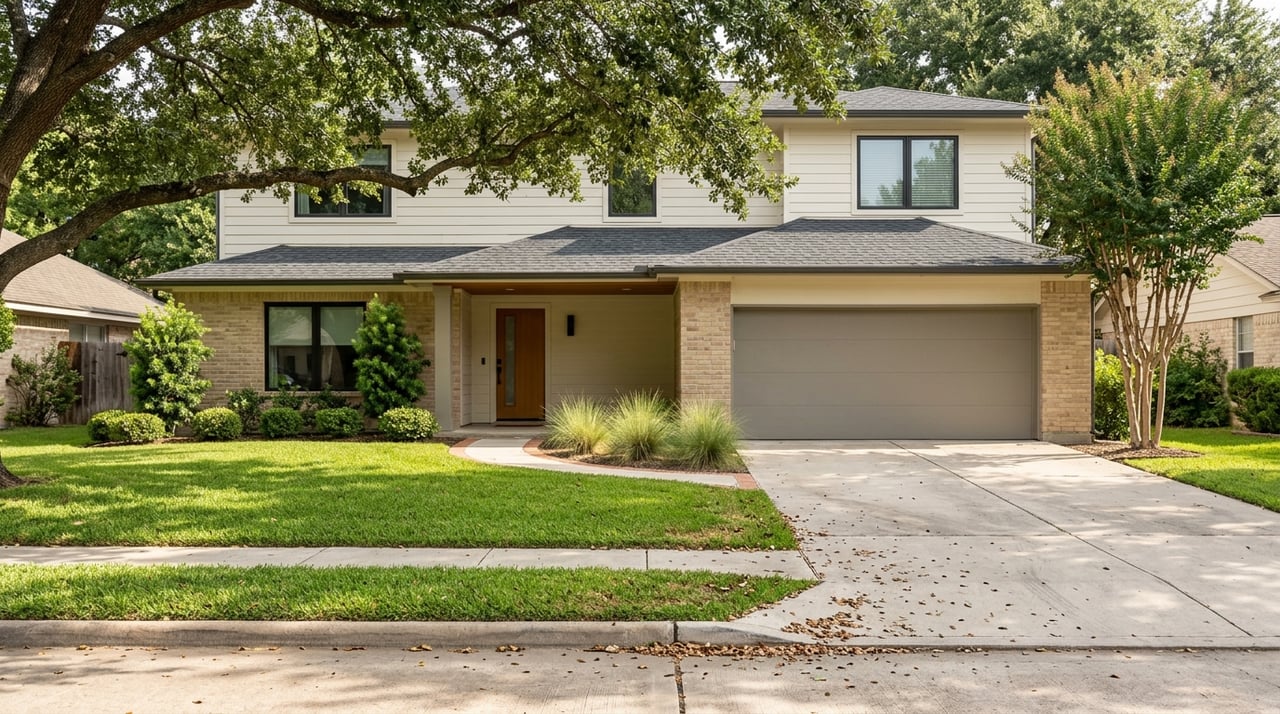

Market Update
More homes hitting the market, moderating prices, and improved affordability are giving Houston buyers new opportunities this spring.
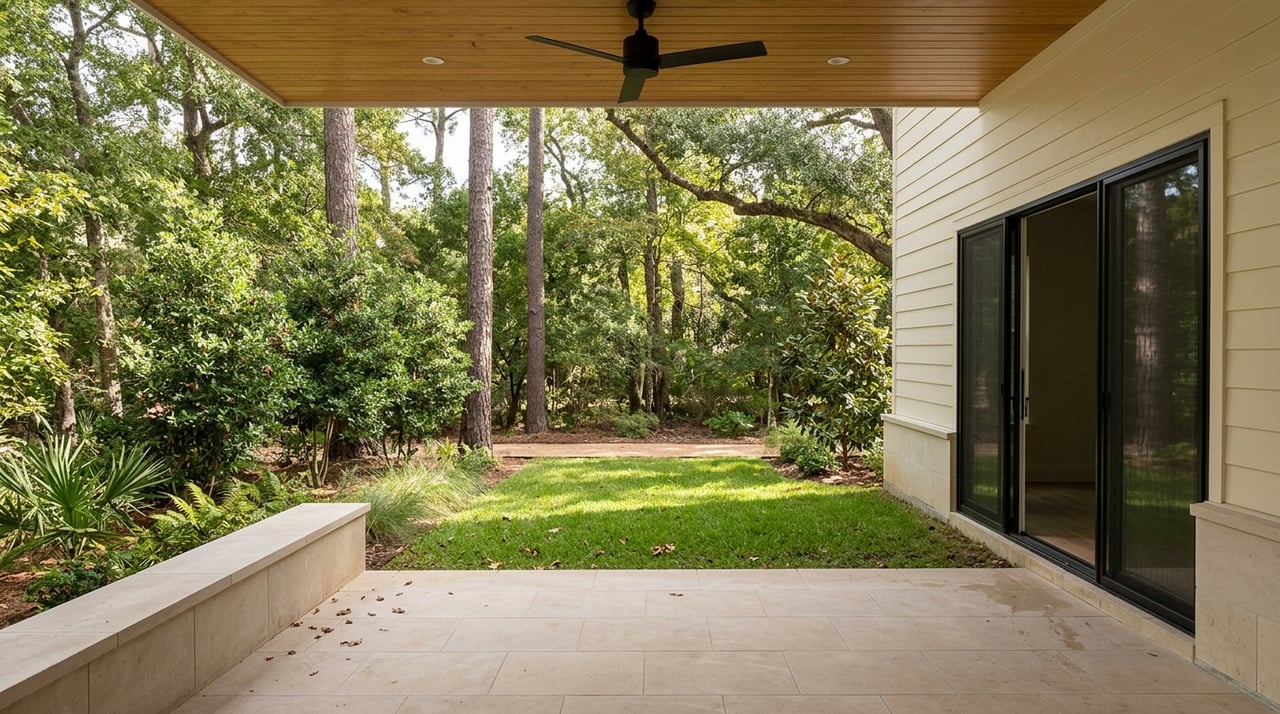
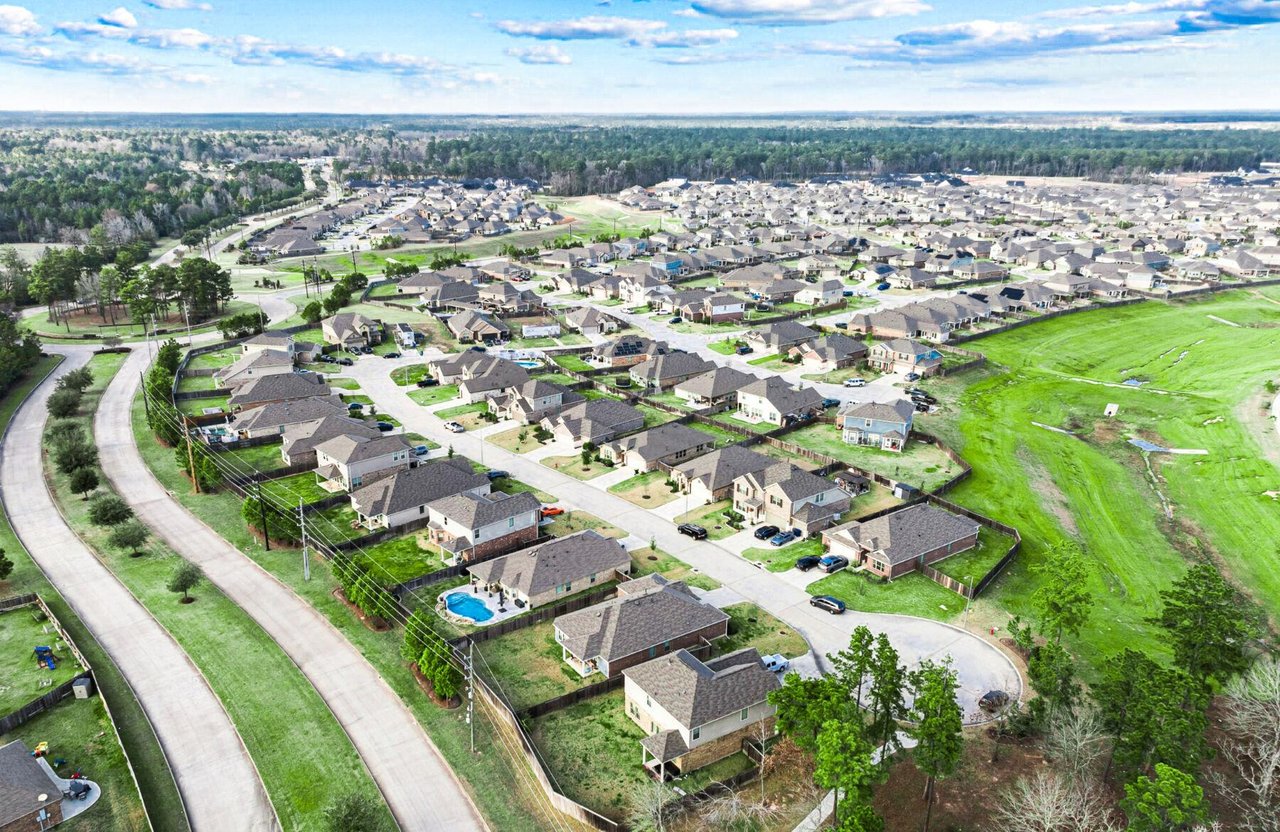
greater houston
Where buyers are finding the best value, newer homes, and lifestyle amenities in 2026.

Whether you're buying, selling, or relocating, The Link Property Group is here to guide you every step of the way in Texas or Florida. Reach out today for personalized, expert advice and a seamless real estate experience.